Source Retro UV Printing Aluminum Sign for Office, Home, and Advertising
Compare 30 Retro UV Printing Aluminum Sign options from verified suppliers. These customizable metal signs feature UV printing and are suitable for office decor, home decorations, and advertising purposes with varying sizes and thicknesses.
Key considerations
Products List


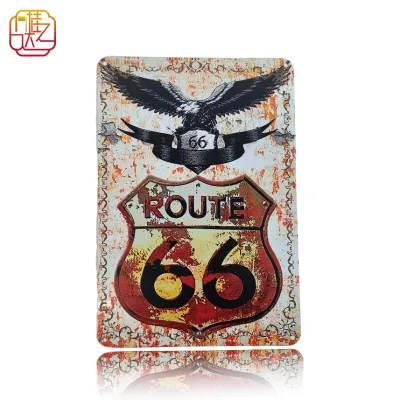
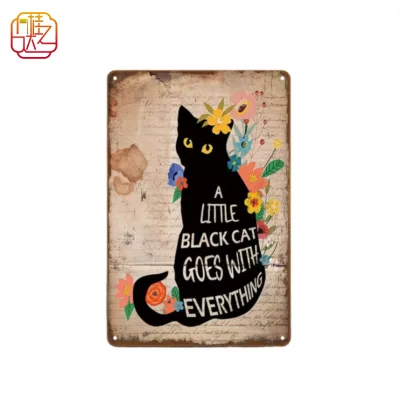

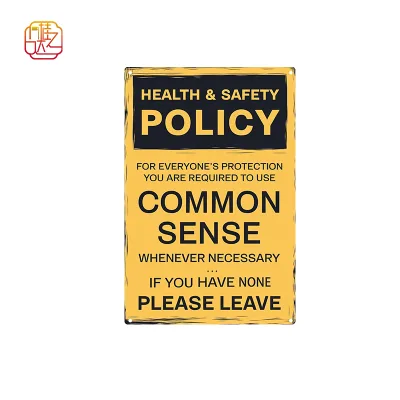



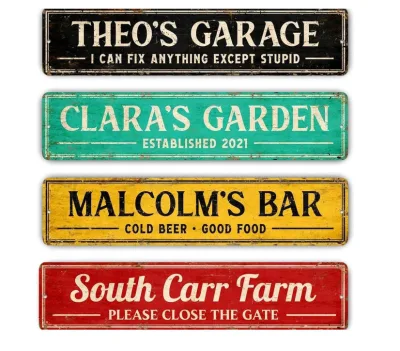
Cartoon Vintage Metal Tin Signs Printing Logo Metal Poster Custom Vintage Metal Signs
$0.10 - $0.70
MOQ: 500 Pieces


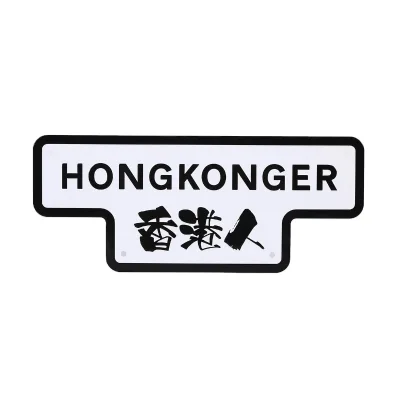
Outdoor Wear-Resistant Engraved Metal Board Custom Aluminum Directional Road Sign
$0.10 - $0.70
MOQ: 500 Pieces


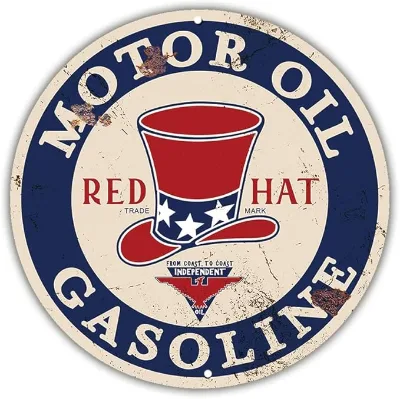
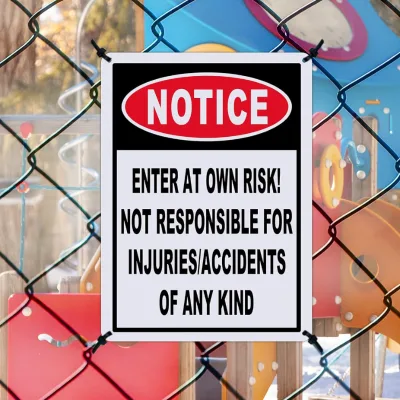
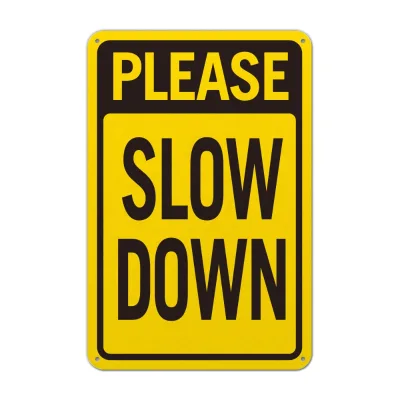
UV Protected Metal Sign 30x40 cm Aluminum Metal Caution Warning Safety Signs
$0.87 - $1.08
MOQ: 500 pieces
Comprehensive Sourcing Guide
Strategic Sourcing Guide for Retro UV Printing Aluminum Signs
The global market for decorative signage has evolved significantly, with a distinct surge in demand for products that blend vintage aesthetics with modern manufacturing precision. The core keyword "Retro UV Printing Aluminum Sign" represents a specific niche where buyers seek durable, visually striking metal plaques that feature high-fidelity, aged designs. For procurement professionals, navigating this category requires a granular understanding of material properties, printing technologies, and the specific operational constraints of suppliers in the manufacturing hubs of China. This guide synthesizes observed market data and technical attributes to provide a disciplined framework for sourcing these items effectively, ensuring that the final product meets both aesthetic and functional requirements without compromising on supply chain reliability.
Material Composition and Structural Integrity
The foundation of any high-quality aluminum sign lies in the raw material selection and its physical processing. In the observed market, the primary material is consistently identified as Aluminum, specifically noted as "Aluminum Material" in product specifications. This choice is driven by the metal's inherent resistance to corrosion, lightweight nature, and ability to hold fine print details. The thickness of the substrate is a critical variable that directly influences the perceived value and durability of the sign. Data indicates a thickness range of 0.5mm to 3.0mm, with the specification explicitly marked as "Customized." This variability allows buyers to tailor the product to specific use cases; for instance, a 0.5mm sheet may suffice for lightweight indoor home decorations, while a 3.0mm sheet offers the rigidity required for outdoor advertising or heavy-duty industrial nameplates.
The processing method is another pivotal factor. The supplied facts confirm that "Machinery" is the primary processing technique, suggesting a high degree of automation in cutting and shaping. This ensures consistency in dimensions, which is vital for the "Custom" and "Rectangle/Customization" shapes observed in the catalog. The standard for these products is broadly categorized under "Metal," implying that while specific alloy grades (such as 3003 or 5052) are not explicitly listed in the general data, the procurement strategy must verify the alloy grade to ensure it meets local environmental standards for UV resistance and structural strength. Buyers should request mill certificates or material test reports to confirm the alloy composition, as this dictates the sign's longevity against weathering and physical impact.
Printing Technology and Aesthetic Execution
The defining characteristic of the "retro" style in this category is the application of UV printing technology. Unlike traditional solvent-based inks, UV printing utilizes ultraviolet light to cure the ink instantly upon contact with the substrate. This process is highlighted in the product attributes as "Uv Printing" and "Printing," offering superior color vibrancy and adhesion. The "Retro" aesthetic is achieved through specific color palettes and design techniques, often described as "Antique," "Fashion," "Creativity," "Parody," and "Interesting." The observed color options range from "Black" to "Colorful," with some listings specifically noting "Aluminum sign" as a color descriptor, indicating the retention of the natural metallic sheen in certain design elements.
The printing technique allows for the application of "Customer Logo" and "Any DIY content," making these signs highly customizable for branding or personal decoration. The "Plating" attribute is listed as "other," suggesting that while the base is aluminum, additional surface treatments or coatings may be applied to enhance the vintage look or protect the print. When evaluating suppliers, buyers must verify the ink quality and the curing process. The UV curing process must be complete to prevent ink smudging or fading, particularly for signs intended for "Personal Decorations" or "Home Decorations" where they may be exposed to sunlight. The "Style" attributes such as "Parody" and "Interesting" imply that the design team must have the capability to handle complex, non-standard graphics, which requires a robust pre-press workflow to ensure the final output matches the digital proof.
Technical Specifications and Customization Parameters
Understanding the precise technical specifications is essential for inventory planning and logistics. The product data reveals a diverse range of model numbers, including "HXD-AL-237," "JIUBA-055," "JIUBA-036," and size-based identifiers like "812in." The dimensions vary significantly, with common sizes listed as 812 inches (20.3230.48 cm) and 1216 inches (30.4840.64 cm), alongside a specific listing of 3020 cm. The "Shape" is predominantly "Rectangle" but allows for "Customization," meaning buyers can request non-standard geometries, though this may impact the unit price and lead time.
Packaging is another critical specification. The "prod_packing" is listed as "Carton," with single package sizes varying from 32.0X22.0X1.0 cm to 45X35X20 cm. The "Single gross weight" also fluctuates, ranging from 0.200 kg for smaller, lighter units to 5.000 kg for larger, heavier configurations. This variance is crucial for calculating shipping costs, as the volumetric weight of the cartons can significantly affect freight charges. Buyers must ensure that the packaging is robust enough to prevent denting, especially given the "Aluminum" material's susceptibility to physical deformation. The "Single package size" data suggests that larger signs are shipped in bulkier cartons, which requires careful stacking strategies in the warehouse to maximize container utilization.
Cost Drivers and Minimum Order Quantity Analysis
The cost structure for retro UV printing aluminum signs is influenced by several dynamic factors, primarily driven by material costs, customization complexity, and order volume. The observed Minimum Order Quantity (MOQ) range is extensive, spanning from 2pcs to 500pcs, with specific listings showing MOQs of 100pcs, 50pcs, and 2pcs. This wide range indicates a market segmented between high-volume industrial buyers and low-volume boutique retailers or individual decorators. The "MOQ: 100pcs" and "MOQ: 50pcs" entries suggest that standard models may have higher thresholds, while highly customized or prototype orders might accommodate lower quantities like "2pcs" or "100pcs."
The "Selling Units" are listed as "Single item," which implies that pricing is often calculated per piece rather than per batch, although bulk discounts are likely available. The "Customization: Available" and "OEM/ODM: Any DIY content" attributes suggest that the cost will increase with the complexity of the design and the uniqueness of the mold or tooling required. For buyers, the cost driver analysis should focus on the trade-off between the "Customized" nature of the product and the "MOQ" requirements. A lower MOQ often comes with a higher unit price due to the setup costs for machinery and printing plates. Conversely, higher volumes can leverage the "Machinery" processing efficiency to reduce the per-unit cost. Buyers should also consider the "Delivery time," which is observed as "5 to 10 days," as expedited shipping or rush orders may incur additional premiums.
Supplier Evaluation and Compliance Verification
When selecting a supplier for aluminum signs, the evaluation process must go beyond the visible product attributes. The "Place of Origin" is consistently listed as "China," with specific regions like "Guangxi, China" mentioned. While this provides a geographical context, it does not guarantee quality or compliance. Buyers must verify the supplier's capacity to meet international standards, as the "prod_standard" is only broadly defined as "Metal." There is no explicit mention of certifications such as ISO 9001 or specific environmental compliance standards for the UV inks used. Therefore, a critical step in supplier evaluation is to request documentation regarding the chemical composition of the inks and the safety of the manufacturing process.
The "Brand Name" "GuiZhiDa" appears in the data, but buyers should not rely on a single brand name as a proxy for quality across the entire market. Instead, the focus should be on the supplier's technical capabilities, specifically their ability to handle "Custom" shapes and "UV Printing" with high fidelity. The "Application" fields, which include "Advertising," "Souvenir," "Art & Collectible," and "Home Decorations," indicate that the supplier must have experience in diverse sectors. A supplier capable of serving the "Art & Collectible" market likely has higher quality control standards than one focused solely on mass-produced "Advertising" signs. Buyers should conduct audits or request samples to verify the consistency of the "Printing" quality and the "Plating" finish, ensuring that the "Retro" aesthetic is achieved without compromising the structural integrity of the aluminum.
Quality Control and Long-Term Procurement Strategy
Ensuring consistent quality in retro UV printing aluminum signs requires a robust quality control (QC) protocol. The "Thickness" variation of 0.5mm to 3.0mm necessitates precise measurement tools to verify that the delivered product matches the ordered specification. The "Single gross weight" data serves as a useful proxy for QC; significant deviations from the expected weight (e.g., 0.200 kg vs. 5.000 kg) can indicate material substitution or packaging errors. Buyers should implement a sampling plan that checks for print clarity, color accuracy, and edge finishing. The "Shape" being "Custom" or "Rectangle" means that dimensional accuracy is paramount, especially for signs that need to be mounted or framed.
For long-term procurement, the "Delivery time" of 5 to 10 days is a key performance indicator. However, buyers must account for potential variability in lead times due to customization requests or raw material shortages. The "Customization: Available" feature is a double-edged sword; while it offers flexibility, it introduces complexity into the supply chain. A strategic approach involves maintaining a relationship with a supplier who can balance standard inventory with custom production capabilities. The "Usage" categories, such as "Promotion gifts" and "Personal Decorations," suggest that these products may be subject to seasonal demand spikes. Procurement planners should align their ordering cycles with these peaks to avoid stockouts or rushed production fees. Finally, the "Product Type" diversity, ranging from "Nameplate" to "Plaque" to "Decoration," requires a clear definition of the end-use to ensure the selected product meets the functional requirements of the target market.
Comparative Analysis of Product Attributes
To facilitate decision-making, the following table summarizes the key attributes observed in the market for retro UV printing aluminum signs. This comparison highlights the variability in specifications that buyers must navigate.
| Attribute Category | Observed Variations | Procurement Consideration |
|---|---|---|
| Material | Aluminum, Aluminum Material | Verify alloy grade for corrosion resistance. |
| Thickness | 0.5mm - 3.0mm (Customized) | Match thickness to application (indoor vs. outdoor). |
| Printing | UV Printing, Printing | Ensure ink curing is complete for durability. |
| Shape | Rectangle, Custom, Customization | Confirm tooling costs for non-standard shapes. |
| MOQ | 2pcs, 50pcs, 100pcs, 500pcs | Balance unit cost against inventory requirements. |
| Size | 812in, 1216in, 30*20cm | Calculate shipping volume based on package size. |
| Style | Antique, Fashion, Parody, Interesting | Align design with target demographic preferences. |
| Origin | China, Guangxi, China | Verify logistics capabilities and export compliance. |
| Weight | 0.200 kg - 5.000 kg | Plan for freight costs based on gross weight. |
| Packing | Carton | Ensure packaging prevents denting during transit. |
This structured approach to sourcing ensures that buyers can make informed decisions based on verified data rather than assumptions. By focusing on the interplay between material properties, printing technology, and logistical constraints, procurement professionals can secure high-quality retro UV printing aluminum signs that meet the rigorous demands of the modern market.
FAQs
What customization options are available for these signs?
Customization is available for logo, shape, and content. Buyers can request any DIY content or customer logos, with shapes ranging from standard rectangles to fully custom designs. The thickness can also be customized between 0.5mm and 3.0mm to suit specific durability needs.
How is the printing technology applied to the aluminum material?
The signs utilize UV printing technology to ensure high-fidelity color vibrancy and instant curing on the aluminum substrate. This process allows for detailed retro designs and durable finishes that resist fading, making them suitable for both indoor home decorations and outdoor advertising applications.
Which minimum order quantities apply to these metal plaques?
Minimum order quantities vary significantly depending on the specific model and customization level. Observed MOQs range from as low as 2 pieces for certain items to 100 pieces for standard batches, allowing flexibility for both boutique retailers and high-volume industrial buyers.
Can buyers find suppliers with specific delivery timeframes?
Yes, suppliers typically offer a delivery time of 5 to 10 days for production. This lead time applies to the manufacturing process after order confirmation, though actual shipping duration will depend on the destination and the specific logistics provider selected by the buyer.
What are the standard packaging dimensions for these products?
Products are packed in cartons with single package sizes varying by unit weight and dimensions. Common package sizes include 32.0x22.0x1.0 cm for lighter units and up to 45x35x20 cm for heavier configurations, ensuring protection during transit for the aluminum material.
How does the thickness of the aluminum affect the product?
The aluminum thickness ranges from 0.5mm to 3.0mm and is customizable based on usage requirements. Thinner sheets are suitable for lightweight indoor decorations, while thicker options provide the rigidity needed for outdoor advertising or heavy-duty industrial nameplates.
Which styles are offered for these decorative metal signs?
Styles include Antique, Fashion, Creativity, Parody, and Interesting designs to suit various aesthetic preferences. The color options range from solid Black to Colorful finishes, with some products retaining the natural Aluminum sign appearance for a unique metallic look.